English





Zisha: The Alchemy of Earth, Fire, and Time
Zisha: The Alchemy of Earth, Fire, and Time
—— An Introduction & Deep-Dive into Yixing Zisha Art for Madrid & Western Tea Lovers
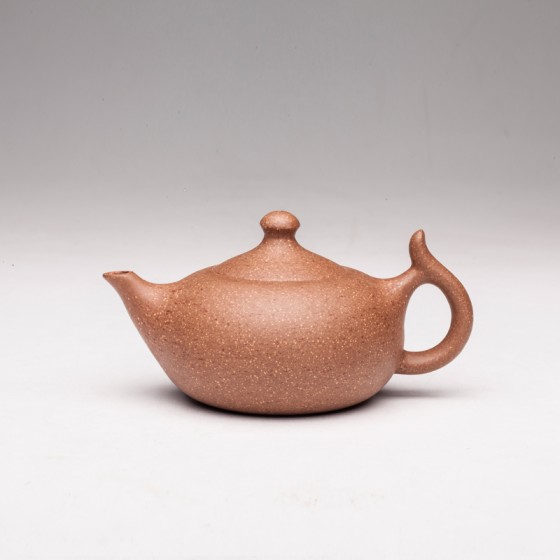
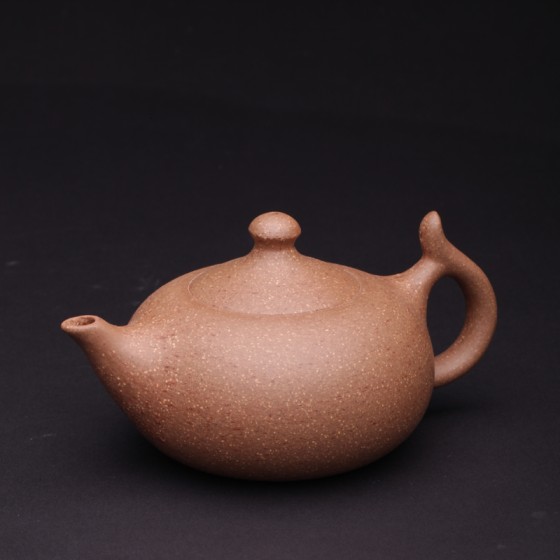
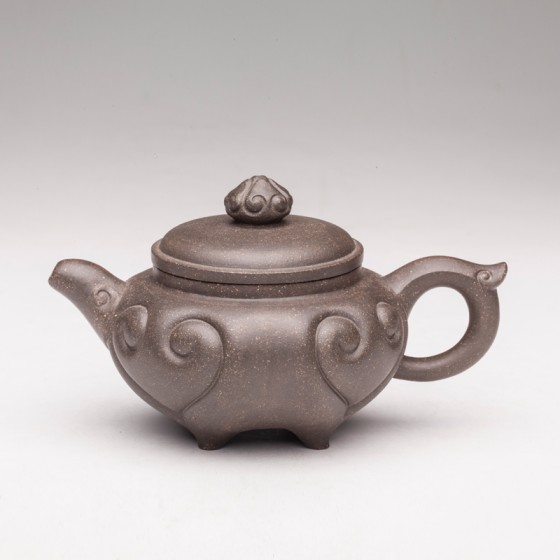
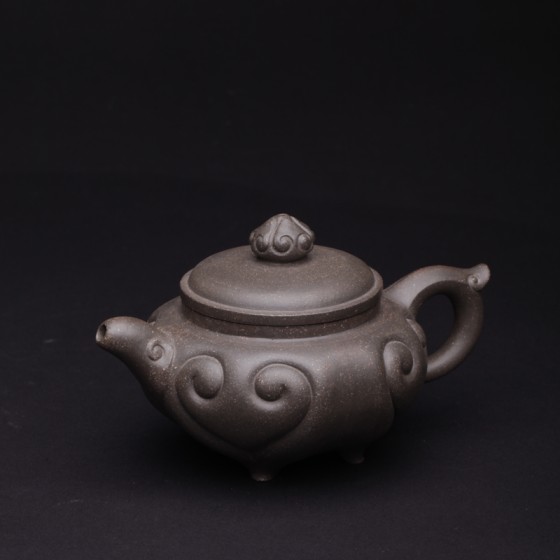
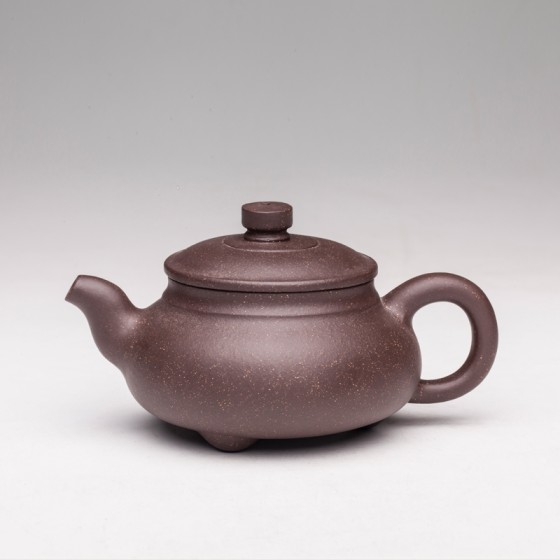
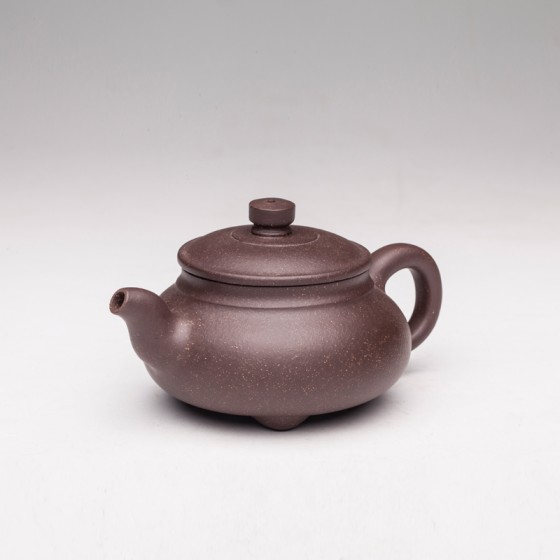
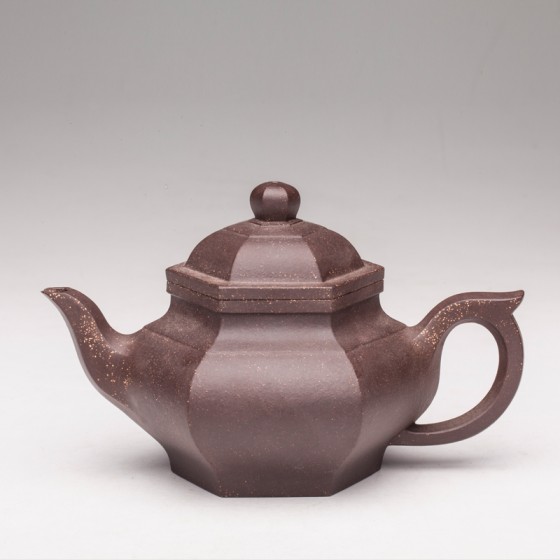
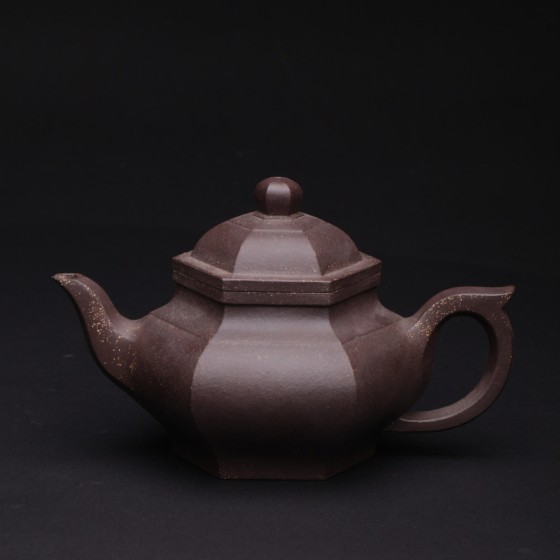
In Western perception, a ceramic teapot is commonly made by shaping wet clay on a potter's wheel, glazing it, and firing it over a weekend into a practical vessel. However, when visiting CHUNFU in Madrid, we present a completely different artistic world: Yixing Zisha (Purple Clay). This is a "living teaware" crafted from pulverized deep-mountain mineral ores without any chemical glazes, forged through weeks of painstaking handcrafting and the trial of fire.
I. Not Ordinary Clay, but Ancient Mountain Ores Aged over Millions of Years
It can be difficult for Westerners to understand why an unpainted, unglazed "clay teapot" can command prices in the thousands or tens of thousands. The key to unlocking this mystery lies in the extreme scarcity and unique physical properties of Zisha ore.
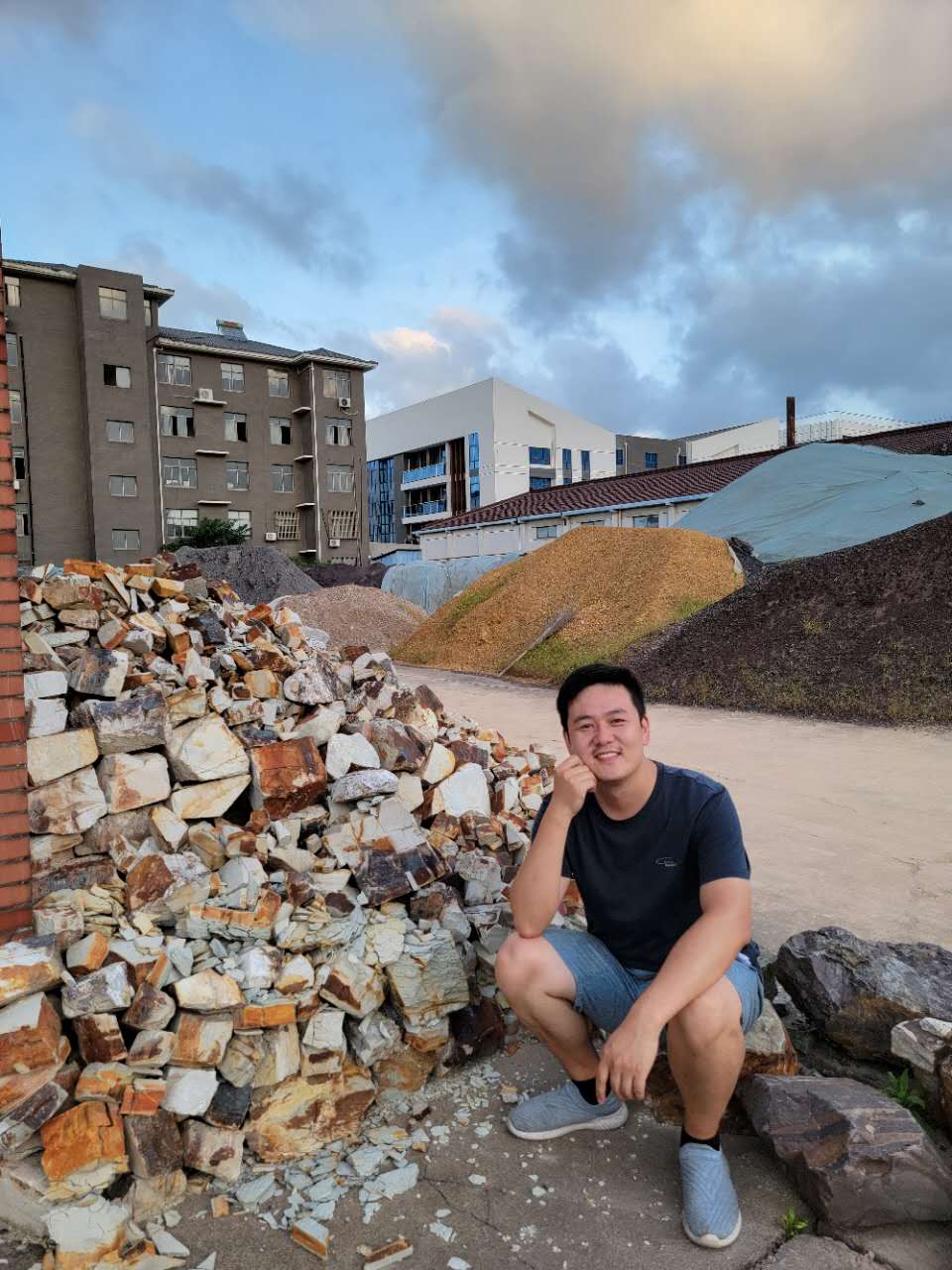
1. Geographic Monopoly & Rare Vintage Ore Reserves: Genuine Zisha clay is not surface soil, but sedimentary mineral rock (raw ore) extracted from specific strata deep in the mountains of Yixing, Jiangsu, China. Core mining areas (such as Huanglong Mountain) have long been protected and sealed by the government. Today, CHUNFU utilizes rare vintage ores excavated around the 1970s and preserved to this day, making them irreplaceable, collectible-grade resources.
2. A Slow Refining Process Taking 3+ Years: Raw ore can never be used immediately after extraction. It must undergo natural weathering, manual crushing, screening, sealed aging (chenfu), and tens of thousands of hand-kneading sessions. From a hard mineral rock to usable clay, the aging and refining process takes over 3 years to awaken the optimal luster, oiliness, and plasticity of the clay.
3. Natural Colors Free of Chemical Glazes: The vibrant red of Vermilion Clay (Zhuni), the warm tone of Purple Clay (Zini), and the understated elegance of Yellow Clay (Duanni) all stem from natural minerals inside the ore, such as iron, quartz, and mica. The colors emerge naturally after high-temperature firing, completely free of artificial chemical glazes.
4. Dual Porosity & Breathability: The unique microscopic particle structure of Zisha ore forms a distinctive "dual-pore structure" after high-temperature sintering. This endows the teapot with "breathable" properties—retaining tea aroma while absorbing bitterness, resulting in an exceptionally smooth tea infusion.
II. Uncompromising Handcrafting: The Step-by-Step Creation of a Fully Handmade Zisha Teapot
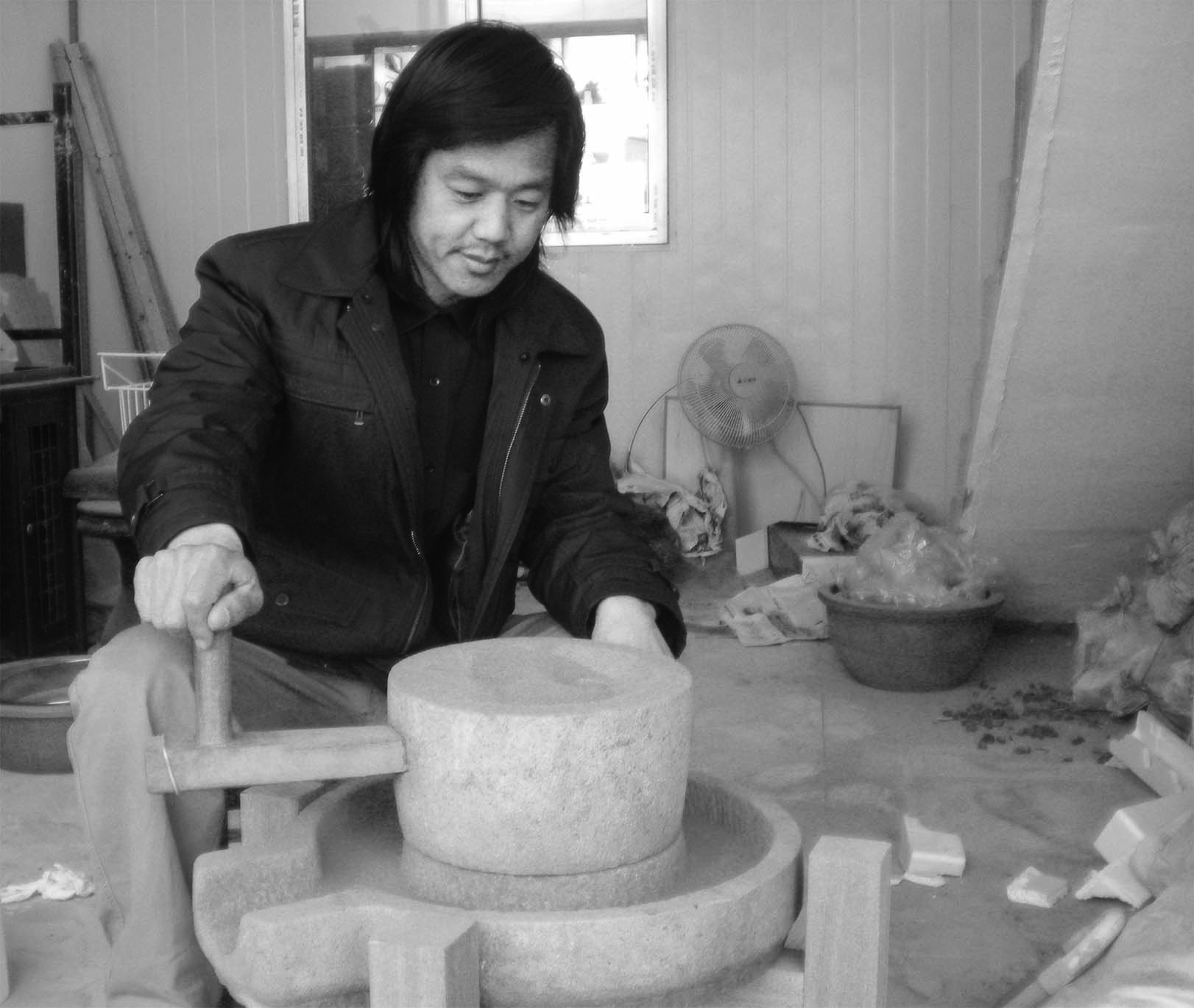
An authentic CHUNFU Zisha teapot can never be spun on a potter's wheel, nor mass-produced using slip-casting. Because raw Zisha clay lacks the elasticity of common potter's clay, every single teapot must be shaped entirely by hand through rhythmic paddling.
Holding a wooden mallet, the artisan continuously hammers the granular Zisha clay block on an anvil stone into perfectly uniform, bubble-free circular sheets and long clay strips.
Without wheel rotation, the master rhythmically strikes the clay sheet with a wooden paddle from the outside while supporting it with fingers inside, shaping a flawless three-dimensional body purely through touch and experience.
The spout and handle are rolled and shaped by hand, followed by cutting the lid opening and crafting the lid. The spout, handle, and body must align in a precise straight line, with airtightness adjusted to millimeter precision.
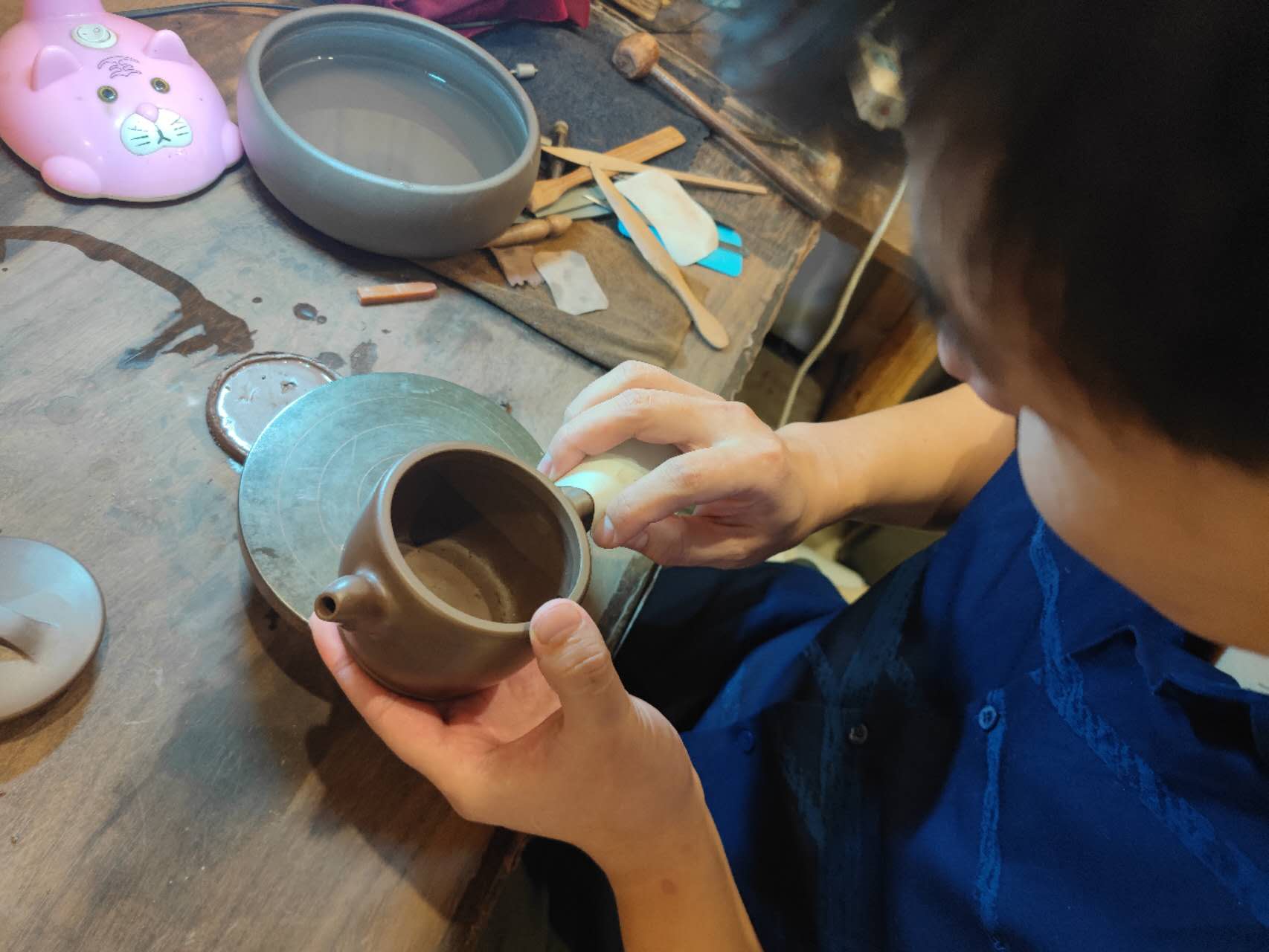
The artisan uses a bison-horn tool ("Mingzhen") to burnish and scrape the teapot surface thousands of times, pushing coarse particles into the clay interior and bringing a smooth, jade-like luster to the surface.
From clay selection, strip pounding, body paddling, component fitting, spatula refining to natural air-drying, creating a single standard handmade Zisha teapot requires a crafting period of over 15 days. It is not merely a technical challenge, but a profound commitment of time and patience.
III. The High-Fire Gamble: High Shrinkage & Loss Rates
Even after half a month of meticulous handcrafting, the most nerve-wracking test has just begun—the kiln firing.
Under extreme temperatures between 1100°C and 1200°C, Zisha mineral particles undergo crystallization and shrinkage:
- Shrinkage Rates Up to 10% - 20%: During firing, the overall teapot body shrinks noticeably in size.
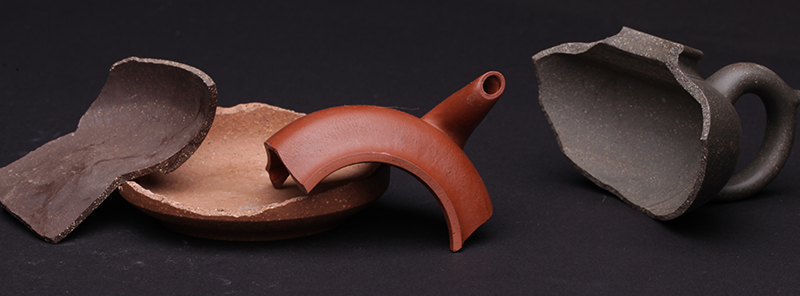
- Extreme Risk of Deformation: Since the body, lid, and spout are handcrafted separately and assembled, subtle variations in clay density or moisture content will cause cracking, warping, or lid misalignment under high heat.
- Unforgiving Loss Rates: Even experienced masters cannot guarantee that every teapot emerges flawless. Every CHUNFU Zisha teapot displayed in our Madrid gallery is a "surviving masterpiece" that endured fire after strict elimination of flawed pieces.
IV. Why Do Connoisseurs Swear by Zisha?
For tea enthusiasts, a Zisha teapot is more than a work of art—it is a scientifically sound brewing instrument:
| Physical / Chemical Property | Scientific Principle | Brewing Enhancement |
|---|---|---|
| Dual Porosity Structure | Interconnected, air-permeable yet water-retaining micro-pores | Allows micro-aeration during brewing, rounding off astringency in oxidized/aged teas (such as Pu-erh and Oolong) for a velvety mouthfeel. |
| Exceptional Heat Retention | High iron content and thick clay walls | Locks in heat, allowing aromatic compounds in tea leaves to fully unfurl at high temperatures—ideal for teas requiring high heat. |
| "Nurturing" & Patina Development | Unglazed pores absorb tea essential oils and minerals | With prolonged use, the teapot develops a warm, jade-like sheen (Patina). A well-seasoned vintage pot can release a subtle tea aroma even when filled with plain boiling water. |
V. CHUNFU in Madrid: Family Heritage & Contemporary Dialogue
CHUNFU is built upon a profound legacy of Eastern ceramic art:
- Master Chunfu Geng (Founder): With decades dedicated to ceramic art and Yixing Zisha ores, Master Geng specializes in traditional teapot forms, clay blending, and ancient firing techniques. Due to his advanced age and pursuit of absolute perfection, Master Geng now handcrafts only around 20 fine teapots a year, making each piece an exceptionally rare collectible.
- Yunxiang Geng (New Generation): Inheriting the family's rigorous handmade Zisha crafting techniques, Yunxiang actively explores contemporary ceramic trends, blending traditional Eastern tea philosophy with modern spatial aesthetics and clean Western linework.
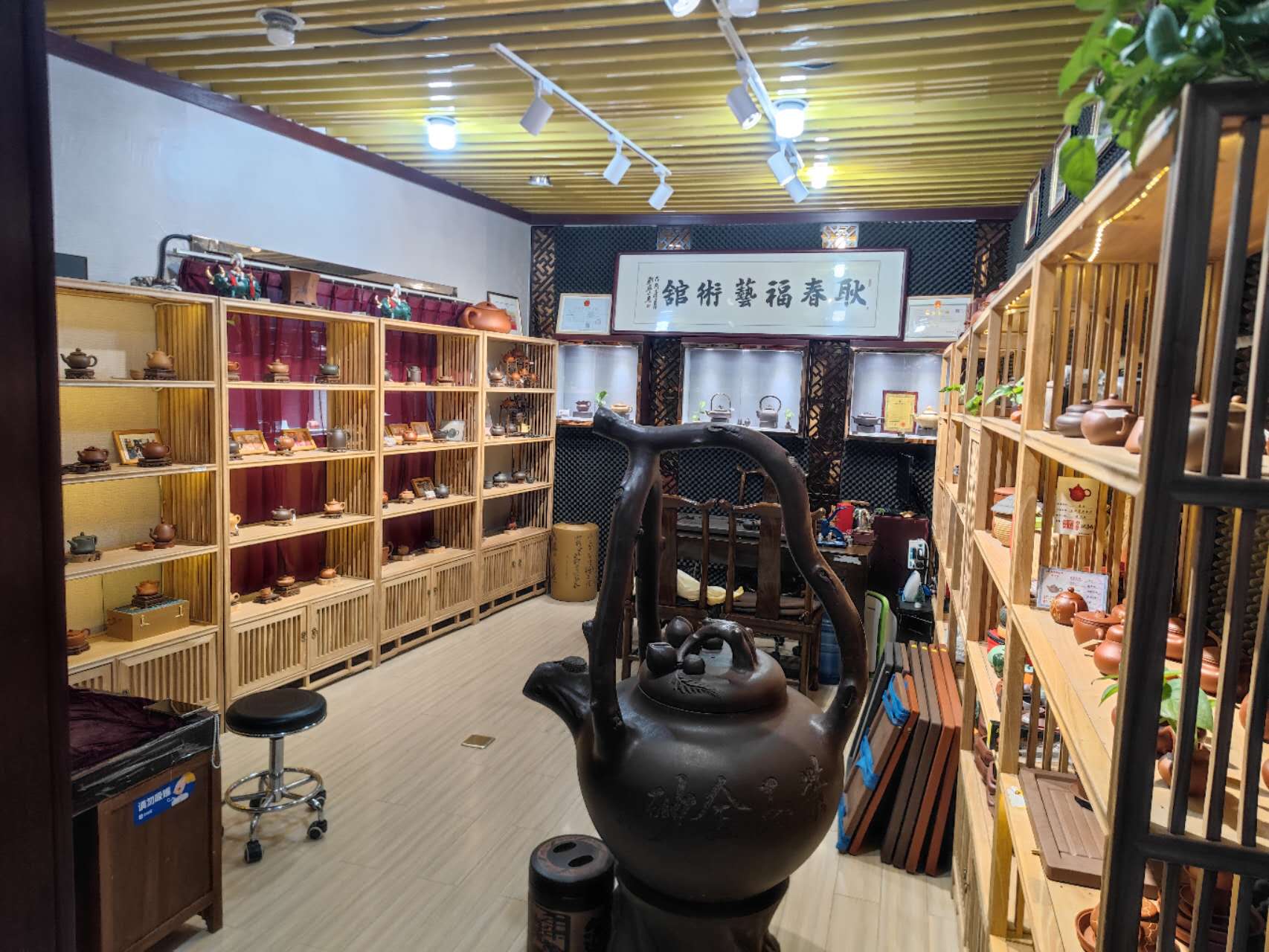
In our Madrid gallery, CHUNFU offers more than teaware—it presents a cross-cultural dialogue bridging earth, craft, and lifestyle aesthetics.
- 1. "It's made of 1970s rare mountain ore, aged for 3+ years."
Mining areas are sealed. Materials come from vintage ore reserves, refined through years of weathering and hand-kneading. Glaze-free with natural elegance and breathability. - 2. "No wheel, paddled by hand for 15+ days."
Unlike wheel-thrown Western ceramics, Zisha is paddled into shape with wooden tools and burnished with horn spatulas, taking over two weeks per pot. - 3. "The High-Fire Gamble."
Shrinkage exceeds 15% in kiln firing. Any micro-imbalance leads to cracks. Every piece on display is a survivor of high loss rates. - 4. "Extremely Limited Master Production: ~20 Teapots a Year."
Founder Master Chunfu Geng handcrafts only ~20 teapots annually due to meticulous quality standards, holding supreme collectible value.